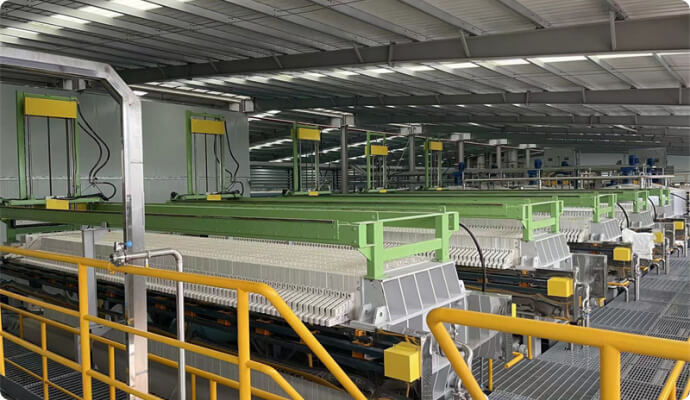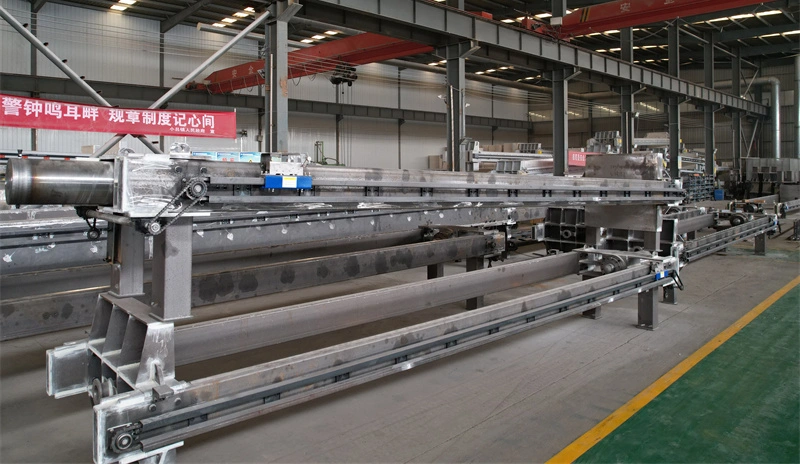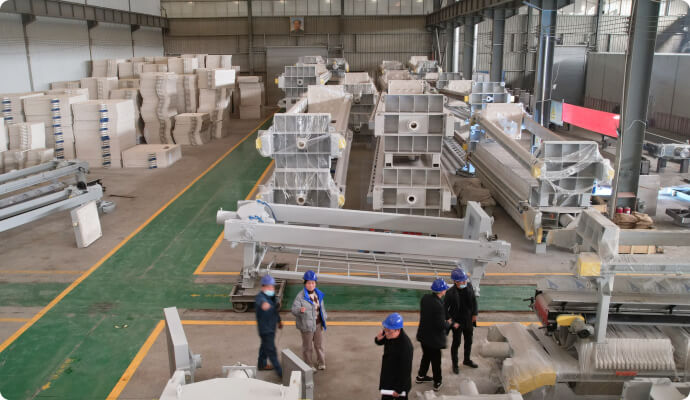
Many people unfamiliar with filter press equipment mistakenly believe that plate-and-frame filter presses and membrane filter presses are the same machine because they both use a frame structure. However, there are differences between the two. Here’s a detailed explanation of the distinctions between plate-and-frame filter presses and membrane filter presses:
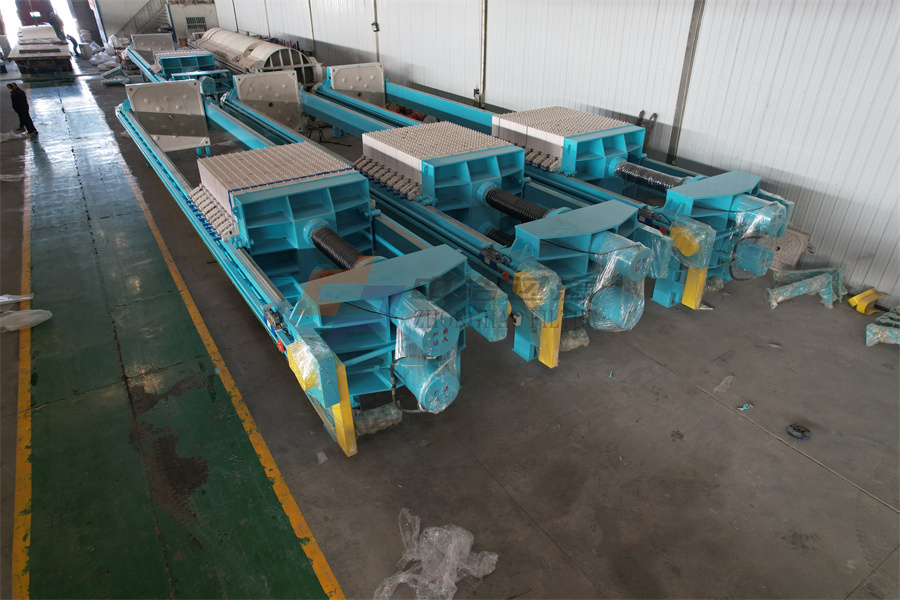
Plate-and-frame filter presses and membrane filter presses share the same basic principles and structure. The difference lies in the filter plates used: membrane filter presses use double-sided filter plates with a diaphragm cavity. These diaphragm filter plates are arranged alternately with standard filter plates to form filter chambers of a specific volume. After the material is filtered, a certain pressure of gas (or liquid) is injected into the diaphragm cavity, causing the diaphragm to expand and compress the filter cake in reverse, thereby reducing the moisture content of the filter cake.
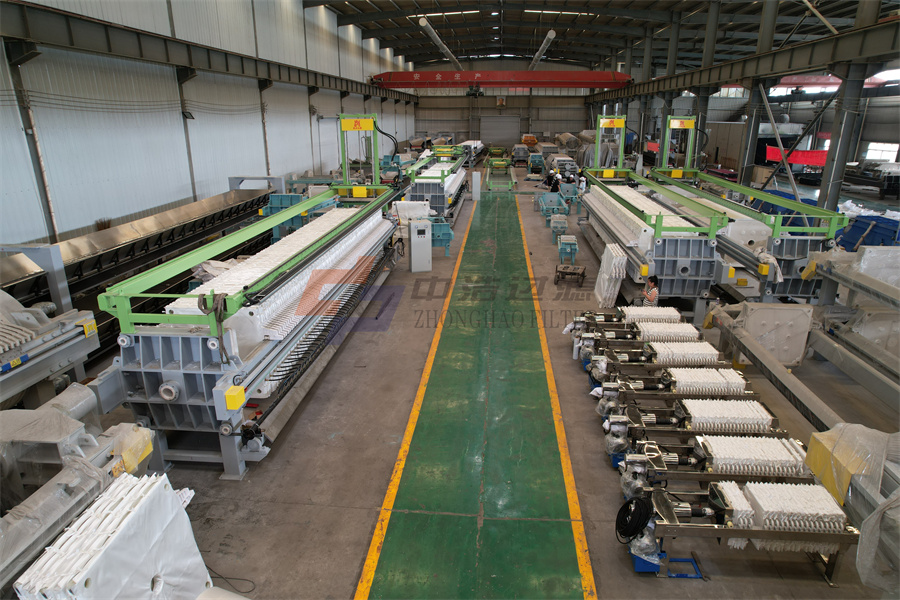
Compared to the filter plates of ordinary chamber or frame filter presses, diaphragm filter plates have two movable filtering surfaces and a diaphragm. When a pressing medium (such as compressed air) is introduced to the back of the diaphragm, these movable diaphragms bulge towards the filtering chamber, meaning that the filter cake is subjected to high-pressure compression again after the filtration process is complete. The benefits of diaphragm filter plates are: filtration processes equipped with diaphragm filter plates can achieve a filter cake moisture content 10-40% lower than with ordinary filter plates, saving significant subsequent costs.
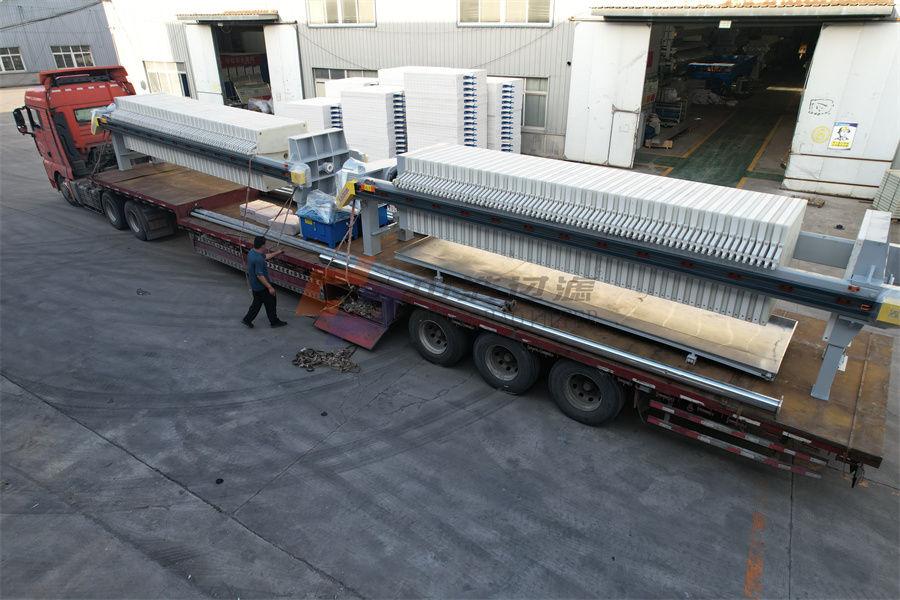
At the same time, during filter cake washing, the diaphragm compression allows for less washing water and a better washing effect.