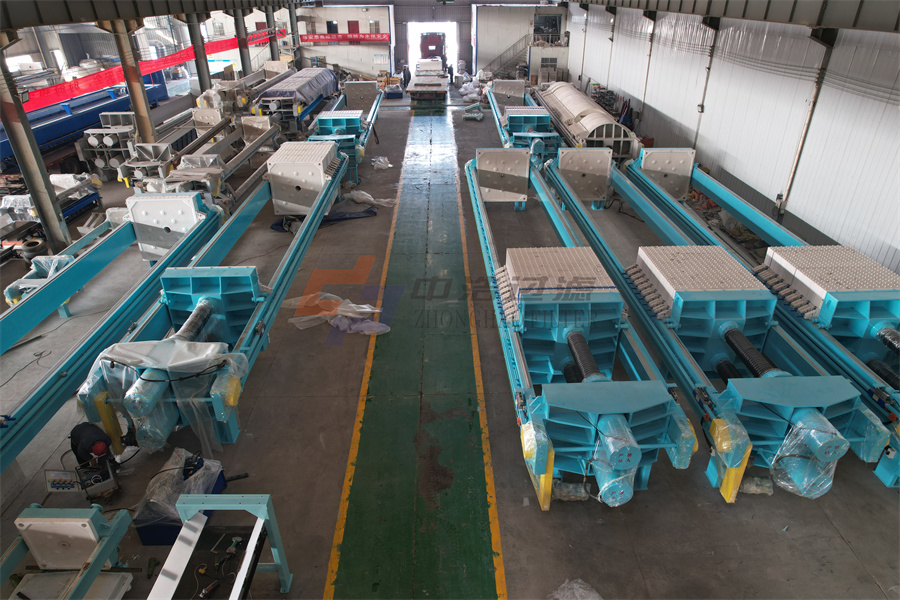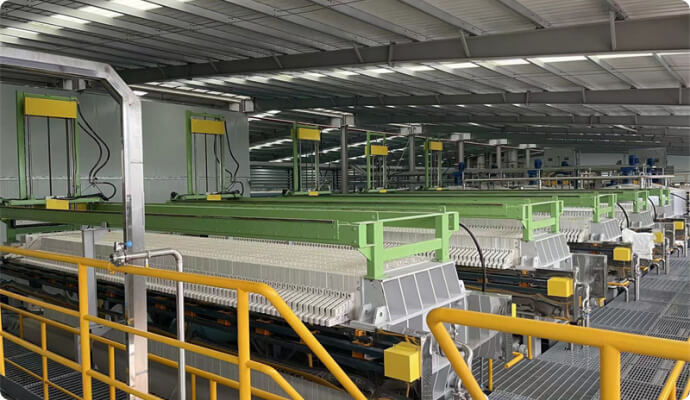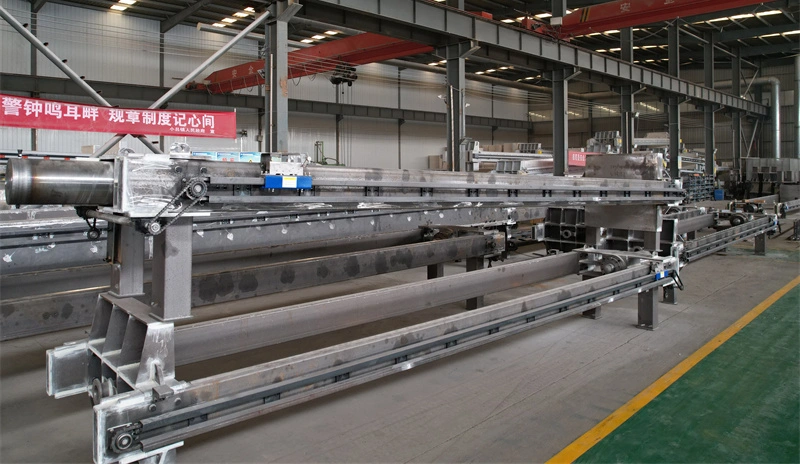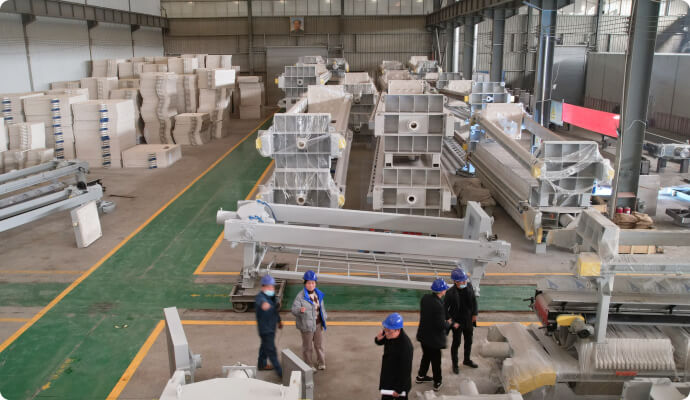
To meet environmental requirements, many industries such as tailings metallurgy, municipal chemical engineering, and biopharmaceuticals need to select filter presses for sludge dewatering and wastewater filtration. To ensure effective filtration and meet processing capacity requirements, what factors should be considered during selection?
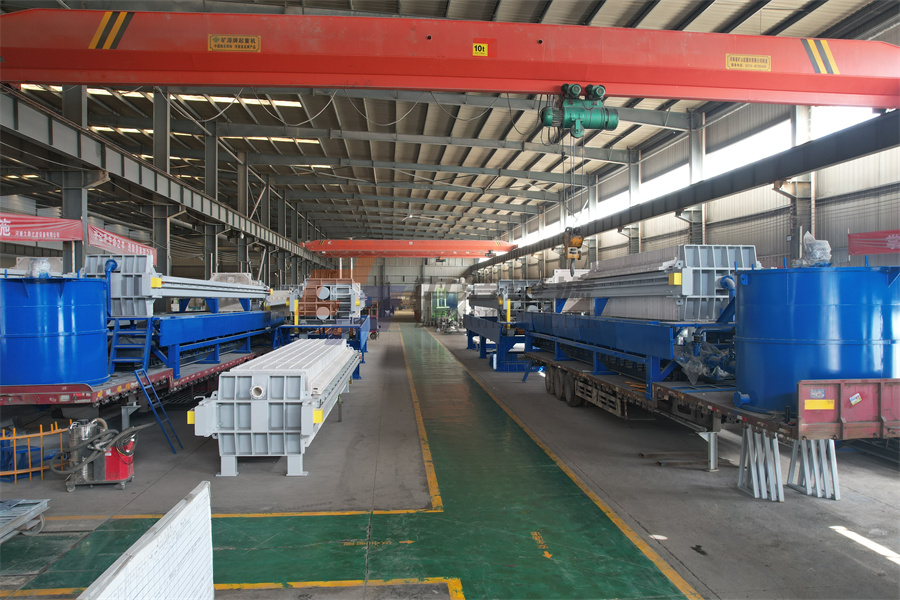
1. Nature of the Wastewater to be Treated
The chemical properties (acidity/alkalinity, corrosiveness), temperature, and particle size of the wastewater determine the efficiency of wastewater treatment and the selection of the filter press filter cloth. If the wastewater to be treated is corrosive or difficult to filter, corresponding chemicals may need to be added for neutralization and solidification treatment.
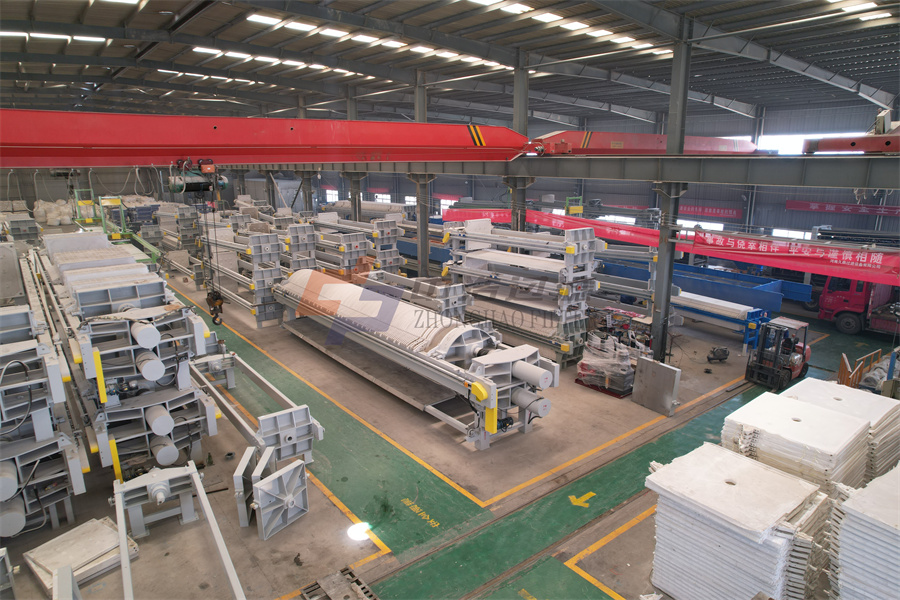
2. Wastewater Treatment Capacity
This capacity refers not only to the processing speed but also to the processing quality. Many wastewater treatment plants or industrial enterprises experience large accumulations of sludge because their sludge treatment equipment cannot handle the volume of sludge produced. This not only occupies a large area but also causes unpleasant odors due to the inability to process the sludge promptly. According to relevant environmental laws and regulations, sludge must be treated to a moisture content of less than 60% before landfilling or resource utilization. Therefore, the primary factor to consider when purchasing a filter press is ensuring that the sludge treated by the selected model meets the required moisture content standards. If the requirement for wastewater moisture content is not particularly high, a general chamber filter press is sufficient. If a very low moisture content in the filter cake is required, a chamber diaphragm filter press can be chosen for secondary dewatering and pressing of the filter cake.
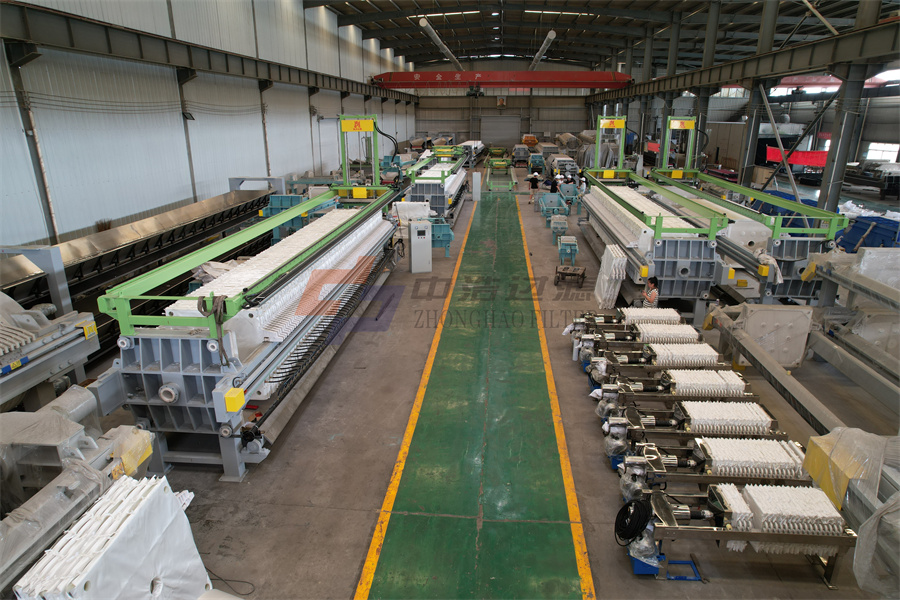
3. Equipment Footprint
Wastewater treatment requires several basic engineering works: a wastewater discharge pool, a sludge sedimentation tank, a clear water tank, chemical tanks, and a foundation frame for the filter press. The construction should be selected based on actual conditions.