
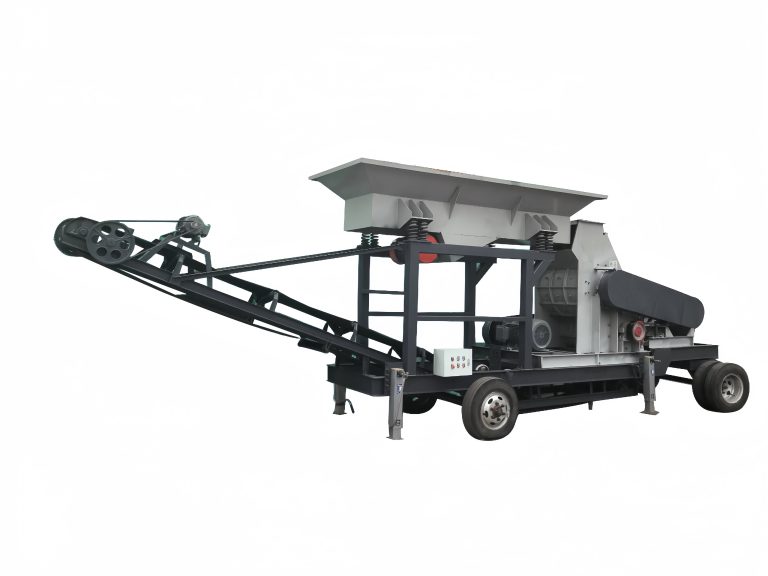
Dosing Mahcine

Sand and Gravel Crusher

A crusher is a pulverizing machine that crushes materials with a particle size greater than 3 mm, accounting for more than 50% of the total discharge. Crushers are used in mining, metallurgy, building materials, highways, railways, water conservancy, and chemical industries. Crushing operations are often classified into coarse crushing, medium crushing, and fine crushing according to the size of the feed and discharge particles.

Share To:

    Application

     • Metallurgical and chemical industries

     • building materials and power

     • transportation and other industrial sectors

    Simple structure, stable operation, and strong crushing capacity

    The overall design is compact and vertical, with a small footprint and convenient maintenance; it can efficiently crush high-hardness and highly abrasive materials (such as granite, basalt, iron ore, etc.), and its working condition is stable and reliable with a low failure rate.

    Low wear and tear, high utilization rate

    It can handle a variety of materials, from soft materials (such as limestone and gypsum) to hard materials (such as pebbles and quartzite), and is adaptable to different working conditions, both dry and wet. The crushing chamber is reasonably designed with a wide feed opening and ample space for operation and maintenance. The discharge particle size can be easily controlled by the adjustment device to meet different production requirements.
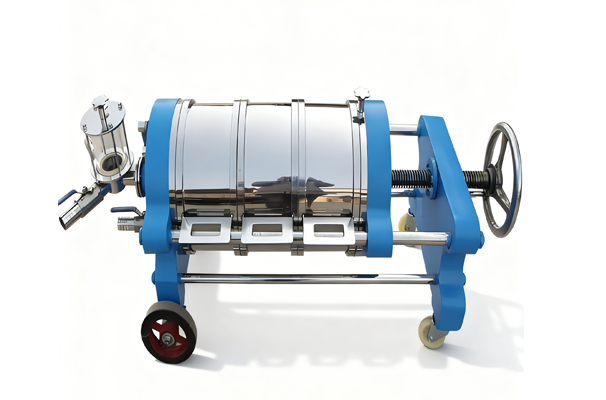
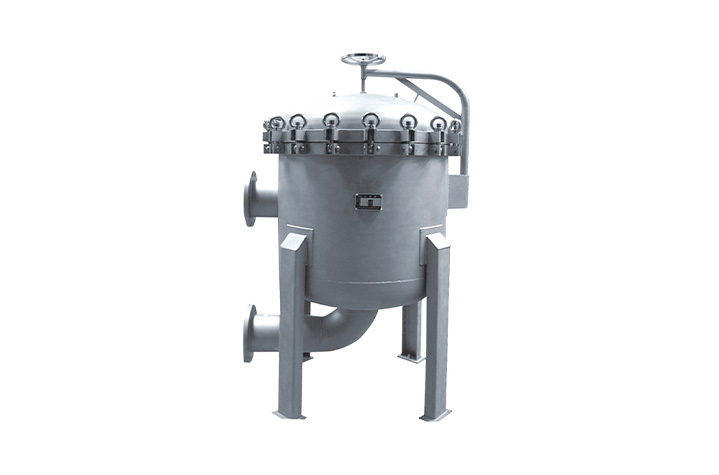
    Wide range of applicable materials

    It can handle a variety of materials, from soft materials (such as limestone and gypsum) to hard materials (such as pebbles and quartzite), and is adaptable to different working conditions, both dry and wet. The crushing chamber is reasonably designed with a wide feed opening and ample space for operation and maintenance. The discharge particle size can be easily controlled by the adjustment device to meet different production requirements.
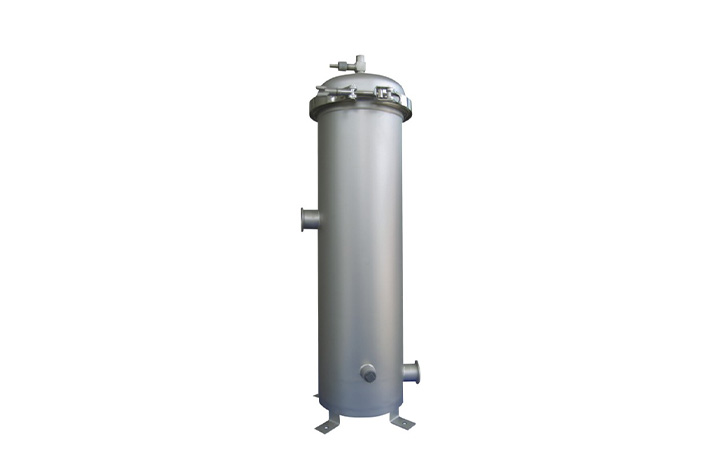
    Customizable

    Frequently Asked Questions

    Our popular products include: vehicle-mounted sludge solidification units, diaphragm filter presses, sludge dewatering machines, as well as engineering design and installation services for municipal sludge and sand-washing sludge treatment.

    How to choose the right filter press model based on material properties?

    Selecting a filter press model depends on key material properties: particle size (to determine filter cloth mesh), viscosity (affects required pressure), corrosiveness (dictates filter plate material, e.g., PP for mild corrosion, stainless steel for strong), and solid content (influences filtration area and cycle time). High-solids materials need larger filtration areas, while abrasive materials require wear-resistant plates. Match pressure ratings to material viscosity—thicker slurries need higher pressure (1.0–2.5 MPa) for effective dewatering.

    What to do if filter plates leak?

    First, stop operation and check:

    1. Filter cloths: Replace damaged or misaligned cloths that disrupt sealing.
    2. Filter plate seals: Inspect for cracks, wear, or debris; clean seals or replace plates if damaged.
    3. Pressure imbalance: Ensure uniform pressure across plates (adjust hydraulic system if uneven).
    4. Plate alignment: Realign plates if shifted during operation. Test with low pressure after fixes to confirm leaks are resolved.
    Do filter cloths need regular replacement? How often?

    Yes, filter cloths require regular replacement as they clog, tear, or degrade over time, reducing filtration efficiency. Frequency depends on material: 4–8 weeks for abrasive/viscous materials (e.g., mining slurries); 3–6 months for less harsh materials (e.g., food-grade liquids). Signs to replace early: slower filtration, increased pressure, or visible damage (holes, fraying).

    Is installation and operation training provided after purchase?

    We offer installation and operation training post-purchase. This typically includes on-site installation guidance, hands-on operation training (e.g., setting parameters, troubleshooting), and documentation (manuals, video tutorials). Some provide follow-up support for 1–3 months to ensure operators master key functions, especially for automated or custom models.

    If the power supply is not the issue, how to fix the machine tripping and shutting down?

    Check these common causes:

    1. Overload: Motor may be overworked (e.g., excessive slurry feed); reduce load or inspect for jammed components (e.g., filter plate movement).
    2. Faulty sensors: Pressure or temperature sensors may trigger safety shutdowns; calibrate or replace malfunctioning sensors.
    3. Hydraulic system issues: Low oil level or clogged filters can cause pressure spikes; check fluid levels and clean/replace filters.
    4. Electrical connections: Loose wires in control panels may interrupt power; tighten connections and inspect for short circuits.

    Send Us A Message