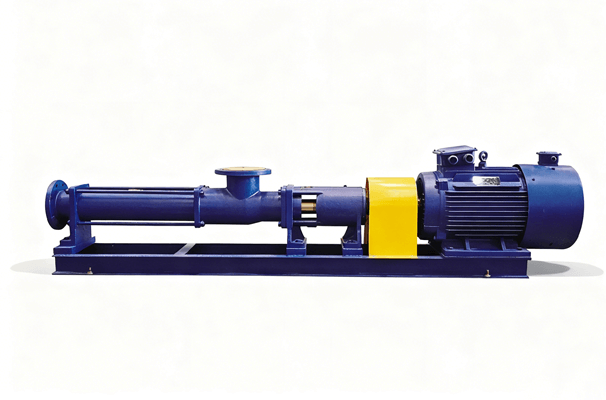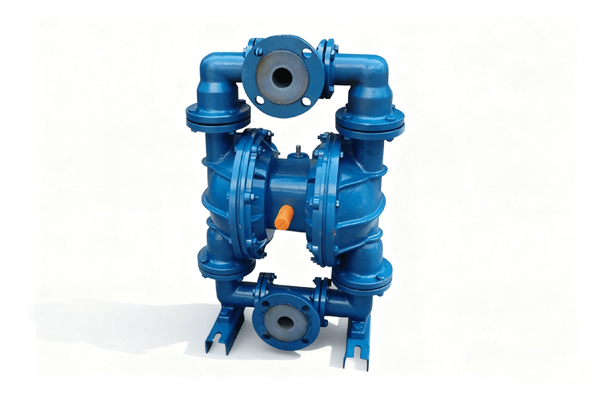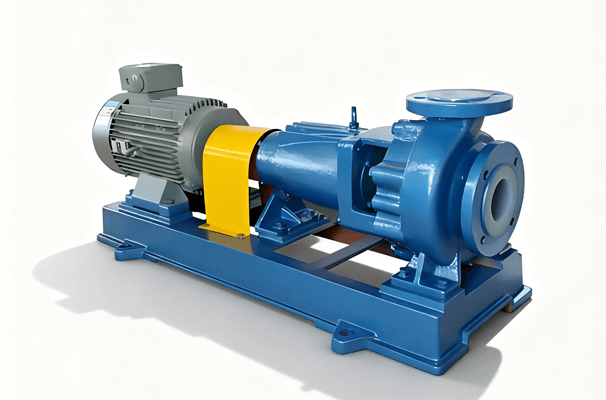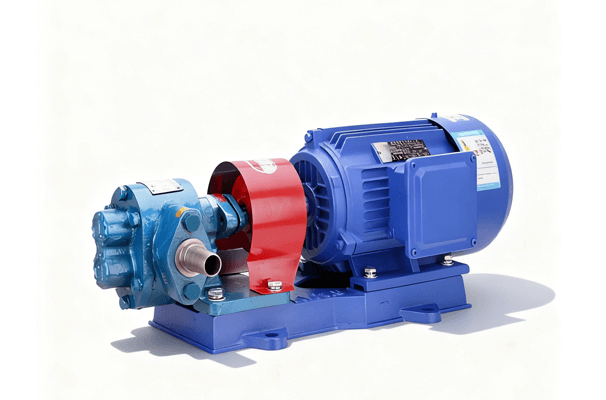
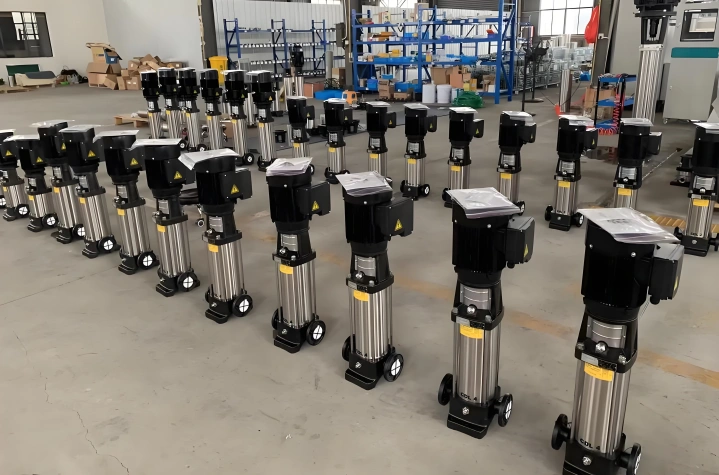
Pump for Filter Press

Multi-stage Clean Water Pump

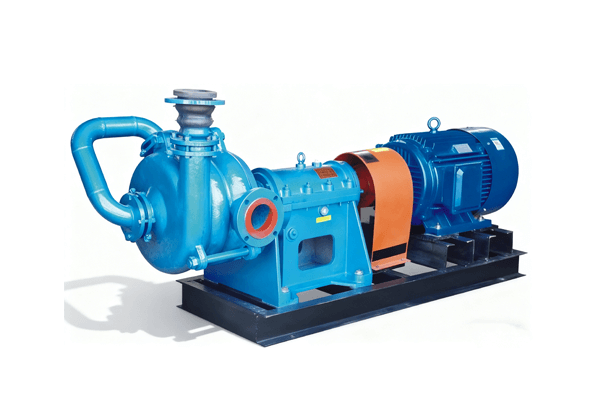
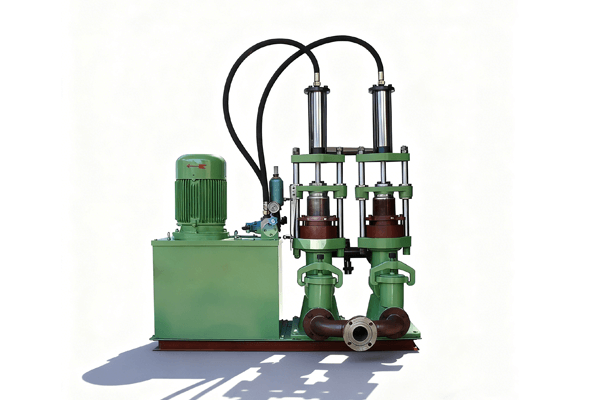
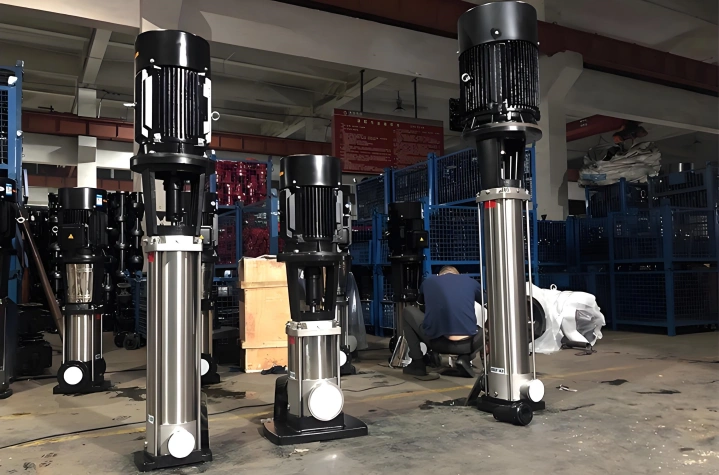
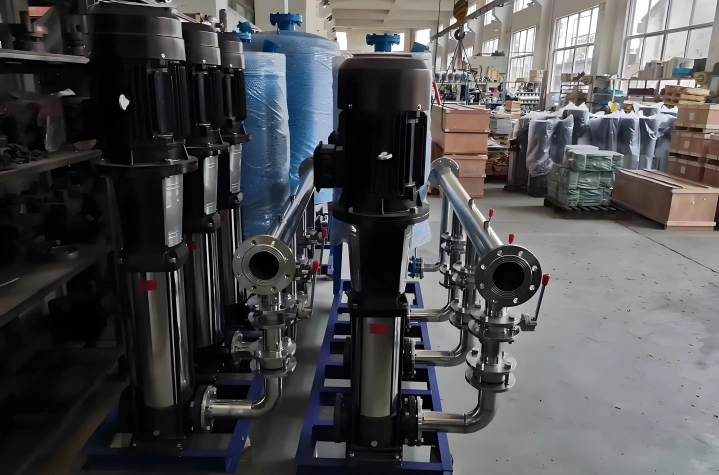
This multi-stage clean water pump is designed specifically for secondary pressurization in diaphragm filter presses. It utilizes multi-stage centrifugal boosting technology, achieving stable high-pressure output through a series of impellers.

Share To:

    Product Introduction

    This multi-stage clean water pump is designed specifically for secondary pressurization in diaphragm filter presses. It utilizes multi-stage centrifugal boosting technology, achieving stable high-pressure output through a series of impellers. The pump body is constructed of corrosion-resistant cast iron or stainless steel, making it suitable for high-frequency industrial applications. It easily handles pressures of 0.5-3.0 MPa and significantly improves filter press dewatering efficiency.

    High Pressure and High Efficiency

    The multi-stage impeller provides progressive pressure boosting, resulting in stable and strong outlet pressure, allowing for rapid, deep dehydration of the filter cake and reducing moisture content.

    Energy and Power Saving

    The optimized hydraulic model reduces energy consumption by 15%-30% compared to traditional single-stage pumps, resulting in lower operating costs.

    Long Life and Low Maintenance

    The modular design ensures wear-resistant and corrosion-resistant key components, allowing for quick assembly and disassembly for maintenance, reducing downtime by 50%.

    High Adaptability

    Flow rates from 3-200 m³/h are available, with flexible and adjustable pressures, perfectly matching the needs of different diaphragm filter press models.

    Main Applications

    Environmental Protection

    Sludge Dewatering, Filter Press Treatment in Wastewater Treatment Plants

    Mining and Metallurgy

    Tailings Dry Discharge, Concentrate Concentration

    Chemical Industry

    Crystallized Solid-Liquid Separation, Waste Slag Pressing

    Food and Pharmaceutical Industry

    Fermentation Slag Dewatering, Pharmaceutical Slag Pressing and Recovery

    Parameter Information

    Multi-stage clean water pump (squeezing pump)
    ModelFlow
    Head
    m
    Power
    KW
    Inlet/Outlet

    mm
    Dimensions
    L x W x H
    mm
    CDM3-27FSWPC3162 3 DN25250×240×1137
    CDM5-27FSWPC5168 4 DN32250×240×1329
    CDM10-17FSWPC8169 7.5 DN40280×290×1285
    CDM10-18FSWPC10163 7.5 DN40280×290×1315
    CDM15-13FSWPC12160 11 DN50300×290×1510
    CDM15-14FSWPC15165 11 DN50300×290×1550
    CDM15-15FSWPC18161 15 DN50300×290×1600
    CDM20-14FSWPC20168 15 DN50300×290×1555

    Frequently Asked Questions

    Our popular products include: vehicle-mounted sludge solidification units, diaphragm filter presses, sludge dewatering machines, as well as engineering design and installation services for municipal sludge and sand-washing sludge treatment.

    How to choose the right filter press model based on material properties?

    Selecting a filter press model depends on key material properties: particle size (to determine filter cloth mesh), viscosity (affects required pressure), corrosiveness (dictates filter plate material, e.g., PP for mild corrosion, stainless steel for strong), and solid content (influences filtration area and cycle time). High-solids materials need larger filtration areas, while abrasive materials require wear-resistant plates. Match pressure ratings to material viscosity—thicker slurries need higher pressure (1.0–2.5 MPa) for effective dewatering.

    What to do if filter plates leak?

    First, stop operation and check:

    1. Filter cloths: Replace damaged or misaligned cloths that disrupt sealing.
    2. Filter plate seals: Inspect for cracks, wear, or debris; clean seals or replace plates if damaged.
    3. Pressure imbalance: Ensure uniform pressure across plates (adjust hydraulic system if uneven).
    4. Plate alignment: Realign plates if shifted during operation. Test with low pressure after fixes to confirm leaks are resolved.
    Do filter cloths need regular replacement? How often?

    Yes, filter cloths require regular replacement as they clog, tear, or degrade over time, reducing filtration efficiency. Frequency depends on material: 4–8 weeks for abrasive/viscous materials (e.g., mining slurries); 3–6 months for less harsh materials (e.g., food-grade liquids). Signs to replace early: slower filtration, increased pressure, or visible damage (holes, fraying).

    Is installation and operation training provided after purchase?

    We offer installation and operation training post-purchase. This typically includes on-site installation guidance, hands-on operation training (e.g., setting parameters, troubleshooting), and documentation (manuals, video tutorials). Some provide follow-up support for 1–3 months to ensure operators master key functions, especially for automated or custom models.

    If the power supply is not the issue, how to fix the machine tripping and shutting down?

    Check these common causes:

    1. Overload: Motor may be overworked (e.g., excessive slurry feed); reduce load or inspect for jammed components (e.g., filter plate movement).
    2. Faulty sensors: Pressure or temperature sensors may trigger safety shutdowns; calibrate or replace malfunctioning sensors.
    3. Hydraulic system issues: Low oil level or clogged filters can cause pressure spikes; check fluid levels and clean/replace filters.
    4. Electrical connections: Loose wires in control panels may interrupt power; tighten connections and inspect for short circuits.

    Send Us A Message